Home › Tuckpointing and Repointing
We provide professional tuckpointing in Dayton, OH to stop water intrusion and extend the life of your brickwork. Our masons remove failed mortar, match the original color and profile, and repoint joints on walls, chimneys, and foundations so your masonry looks clean and stays structurally sound.
Superior Masonry Dayton provides professional tuckpointing throughout Dayton, OH, Ohio and the surrounding area. Our licensed, insured crew delivers safe, clean, on-time work with a free estimate before anything begins. Call (937) 519-2353 or request your free quote.
Tuckpointing & Repointing for Dayton Brick Homes and Buildings
Brick holds up for generations, but the mortar between the bricks is what really keeps your walls dry and solid. In Dayton’s freeze and thaw cycles, that mortar slowly breaks down. Tuckpointing and repointing are how we remove failing mortar, replace it with new material, and restore both the strength and appearance of your brickwork.
Superior Masonry Dayton focuses on repair work for existing homes, churches, chimneys, older storefronts, and multi‑family buildings across Dayton and the Miami Valley. Whether you have a brick chimney shedding sand on your roof or a basement wall that is beginning to leak, this specific service is what protects your structure from hidden water damage.
We do not treat tuckpointing as a quick scrape and smear job. Our goal is to match your existing mortar as closely as possible so repairs blend in and your brickwork lasts longer in our local climate.
What Tuckpointing and Repointing Actually Involve
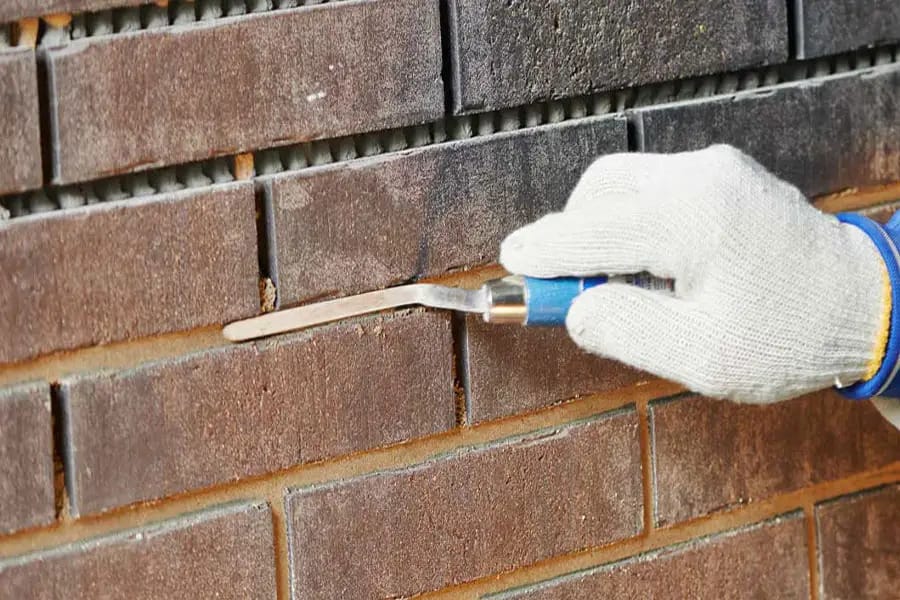
Tuckpointing and repointing are related but slightly different. Repointing is the structural work, where we remove deteriorated mortar and pack in new mortar to restore strength and weather resistance. Tuckpointing adds a second, often contrasting, fine line on the surface to give the look of very tight, clean joints. In Dayton, most homeowners simply need solid repointing, sometimes with a bit of cosmetic tuck work on highly visible facades.
A typical project with Superior Masonry Dayton follows these steps:
1. Inspection and testing. We walk the property, probe mortar joints with a tool, and identify hollow or soft areas. On older Dayton neighborhoods like St. Anne's Hill and South Park, we sometimes test the old mortar to see if it is lime based rather than cement based.
2. Mortar matching. We look at color, texture, and sand grain size in your existing joints. For historic brick, we often use a softer lime or lime blended mortar so the new material moves with the old brick instead of cracking it.
3. Removing bad joints. Using grinders with dust control or hand chisels near sensitive brick, we cut or chip out mortar to a proper depth, usually 2 to 2.5 times the width of the joint. We are careful not to damage the brick arrises (those sharp outside edges) which are hard to replace.
4. Cleaning and wetting. We brush and blow out dust, sometimes rinse, then pre‑dampen the joints so the new mortar cures slowly and bonds well instead of drying too fast in warm Ohio summers.
5. Packing new mortar. We pack mortar into the joint in layers, compacting tightly so there are no hidden voids. Then we tool the joint to the profile that matches the rest of the wall, such as concave, V‑joint, or flush.
6. Tuck lines if requested. For true tuckpointing, we apply a thin contrasting line along the center of the joint after the main mortar sets. This is more common on detailed front facades and decorative bands.
7. Final cleanup and curing. We lightly brush residue, protect the area from driving rain and rapid drying, and leave instructions such as when it is safe to power wash again (usually after the mortar has cured for at least a few weeks).
Common Brick and Mortar Problems We See Around Dayton
Our crews work all over Dayton, Kettering, Huber Heights, Beavercreek, and surrounding communities, and we see the same issues come up again and again.
Chimney mortar eroding and bricks flaking: Chimneys on older Dayton homes often have mortar that is literally washing out, especially where caps are cracked or missing. Water enters, freezes, and causes the face of the brick to pop off. Timely repointing and a proper cap usually prevent costly rebuilds.
Stair‑step cracks along foundations: In block or brick foundation walls, movement from settling or poorly managed downspouts shows up as stair‑step cracks. Repointing alone will not correct serious movement, so we look for the cause first. For minor cracks, tuckpointing plus better drainage often solves the problem.
Leaky brick walls and basements: In parts of Dayton with high water tables and older porous brick, moisture can seep right through old mortar joints. We often combine repointing with breathable water repellents and improved grading to keep interiors dry.
Mismatched past repairs: Many owners are stuck with repairs done years ago using the wrong mortar or color, which stand out as pale or bright patches. Superior Masonry Dayton takes time to blend new mortar and, when reasonable, remove some of the worst old patches so your walls have a more uniform appearance.
Efflorescence and salt deposits: White, powdery staining is usually a symptom of moisture movement through the wall. We do not just scrub it away; we locate the water source, improve joints through repointing, and discuss options like weep holes or flashing corrections with you.
Local Climate, Timing, and When to Schedule Tuckpointing
Dayton’s climate creates some particular challenges for brick and mortar. We see regular freeze and thaw cycles from late fall through early spring, summer storms that drive rain sideways into walls, and swings from humid to very dry conditions. All of this works against weak mortar joints.
The best seasons for tuckpointing and repointing here are typically mid‑spring through early summer and early fall. Temperatures in the 40 to 80 degree range with moderate humidity allow mortar to cure slowly and gain strength. In very hot spells, we schedule work early in the day, shade the wall if needed, and lightly mist joints so they do not flash dry.
We avoid new tuckpointing work when daytime highs are below freezing or when a hard frost is expected during the first couple of nights of curing. If emergency repairs are needed in cold weather, we may use insulated tarps and carefully selected products, but for non‑urgent work we usually recommend waiting for a safer window.
If you are planning exterior painting, new windows, or roof work, it is often smart to handle tuckpointing first. Fresh mortar should not be aggressively power washed or painted immediately. Let Superior Masonry Dayton help you plan the sequence so you do not have one contractor undoing another’s work.
What Affects the Cost of Tuckpointing in Dayton
Pricing for tuckpointing and repointing is very situation specific, but there are clear cost drivers we review with every customer.
Access and height: A single story brick wall that we can reach from the ground will cost less per square foot than a three story chimney that requires scaffolding or roof brackets. Complex access around tight side yards in older Dayton neighborhoods can also add labor time.
Amount and depth of deterioration: If only the outer 1/2 inch of mortar is loose, removal is faster. If joints are hollow several inches deep, or if previous repairs used very hard mortar that must be carefully removed to avoid chipping soft brick, the work takes longer.
Brick condition: Severely spalled or cracked bricks often need to be cut out and replaced, which is more involved than repointing only. We separate the cost of unit replacement from joint work so you can see exactly where your money is going.
Matching needs: Historic or highly visible facades, especially downtown or in preservation districts, may require multiple mockups to get color and texture right. This extra time is built into the estimate so there are no surprises.
Scope of work: Some clients in Dayton choose a targeted approach (for example, just a failing chimney and one wall), while others prefer a full perimeter repoint on a house. Superior Masonry Dayton can price both options so you can decide what fits your budget and priorities right now.
How Superior Masonry Dayton Protects Your Brickwork
We approach each tuckpointing job as a repair to part of your home’s structure, not just a cosmetic touchup. Our masons are trained to look for underlying issues before we start grinding anything.
Before work, we walk the property with you, point out problem areas, and discuss whether there is movement, ongoing water intrusion, or just normal age‑related mortar decay. On older brick, especially pre‑World War II homes, we select mixes that are softer than modern concrete. This is important in Dayton because many of those bricks were lower fired and can be damaged by overly strong mortars.
We also handle little details that matter in the long run. Joints around window and door heads are carefully packed so water does not find its way behind the frames. On chimneys, we often recommend repairing or replacing the crown at the same time as tuckpointing so new joints are not immediately hit with the same leak that damaged the old mortar.
Cleanliness on site matters too. We use dust collection when grinding where possible, cover nearby windows and landscaping, and clean up at the end of each day. Many homes in close‑set Dayton neighborhoods share drives or sidewalks, so we plan staging and cleanup to be respectful of neighbors.
What Dayton Homeowners Should Ask Before Hiring a Tuckpointing Contractor
If you are comparing estimates for tuckpointing and repointing in Dayton, there are a few smart questions to ask any contractor, including us.
1. How deep will you remove existing mortar, and how will you do it? You want a clear answer, typically at least 2 times the joint width, and a description that mentions hand tools or controlled grinding, not just scraping the surface.
2. How will you match my mortar? Ask about color, sand, and hardness. A contractor who says "we just use one bag mix on every job" is not looking out for your older brick.
3. What will you do to protect surrounding brick and property? Listen for mentions of dust control, coverings, and careful chisel work at corners and around decorative details.
4. Are you insured and familiar with Dayton’s older housing stock? Working on a 120 year old brick porch in the Oregon District is different from working on new construction. Experience matters.
5. Can you show me a couple of local tuckpointing jobs you have done? Superior Masonry Dayton is always happy to point out nearby work so you can see how our repairs blend in after they have had time to weather.
If you would like an honest assessment of your brickwork, we can walk you through what truly needs repair now and what can wait, then provide a clear written estimate so you can make a comfortable decision.