Home › Commercial Stone Masonry
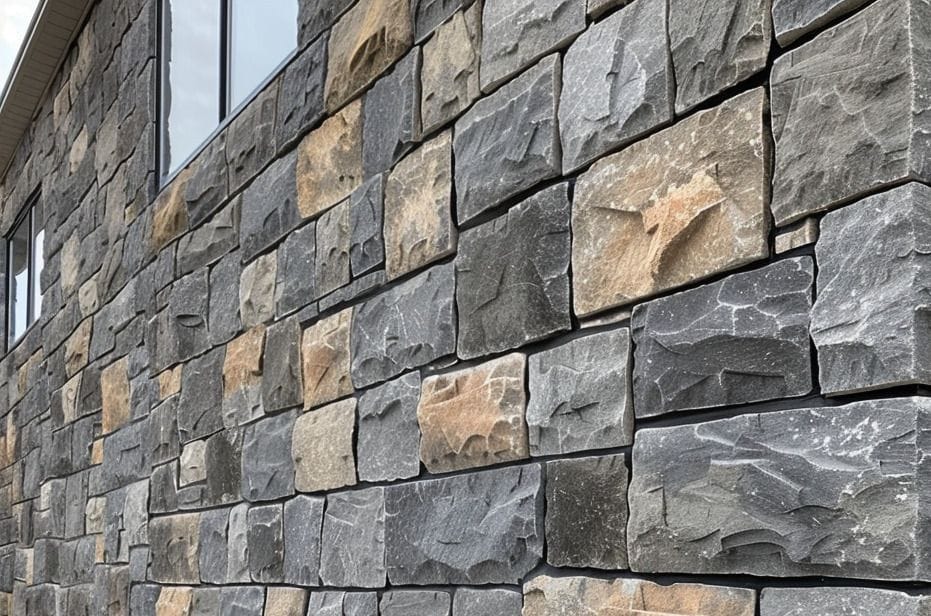
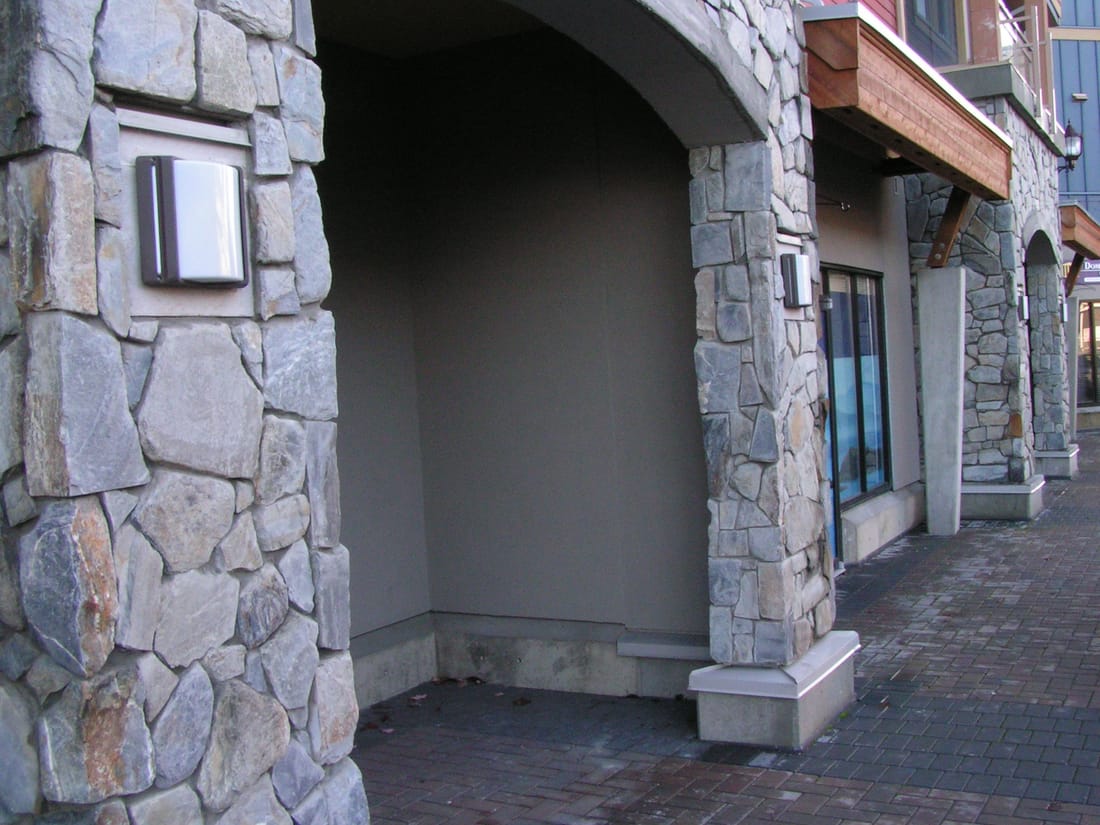
Our commercial stone masonry in Dayton, OH enhances buildings with durable, high end stone facades and details. We install natural and manufactured stone on storefronts, entry features, columns, and site walls, focusing on consistent patterns, secure anchoring, and long term performance in busy environments.
Superior Masonry Dayton provides professional commercial stone masonry throughout Dayton, OH, Ohio and the surrounding area. Our licensed, insured crew delivers safe, clean, on-time work with a free estimate before anything begins. Call (937) 519-2353 or request your free quote.
Commercial Stone Masonry for Dayton Businesses
Commercial stone masonry is not just about appearance. For a business in Dayton, it is about durability, code compliance, and long-term maintenance costs. At Superior Masonry Dayton, we focus on stone systems that hold up to Ohio freeze-thaw cycles, traffic from customers and staff, and local building requirements.
On a commercial project, our first step is to understand how the building is used. A retail storefront on Brown Street needs different stone details than a medical office near Miami Valley Hospital or a light industrial facility in Riverside. We look at foot traffic, exposure to de-icing salts, loading dock impacts, and how close the stone will be to snow piles and lawn equipment. Those details drive the choice between natural stone, cast stone, or stone veneer and how it is anchored and detailed.
We also coordinate with architects, general contractors, and building owners early. Commercial stone work in Dayton typically means tying into steel or CMU structure, meeting fire ratings where needed, and matching existing masonry on expansions or renovations. Superior Masonry Dayton reviews drawings, onsite conditions, and schedule up front to prevent change orders and disruptions once the job starts.
Material Options and What Works in Dayton’s Climate
Not every stone product holds up the same way in southwest Ohio, and that matters for commercial use. We commonly work with three main categories: full-bed natural stone, thin stone veneer, and architectural cast stone. Each has specific uses.
Full-bed natural stone, such as limestone or sandstone, is suited for ground-level walls, entry columns, and areas that take more impact. It requires a proper footing, a concrete or CMU backup wall, and mechanical anchors. It costs more in material and labor but stands up well to carts, bikes, and the occasional vehicle bump.
Thin stone veneer and manufactured stone are lighter and are often used on upper stories, accent bands, or interior feature walls in lobbies and conference rooms. In Dayton’s climate, the substrate preparation is critical. We insist on proper drainage planes, flashing at window heads and sills, and weep details so the veneer can dry out after storms and winter thaws.
Cast stone is frequently used for commercial sills, banding, caps, and signage panels. For example, office complexes near I-675 often specify cast stone coping on parapet walls and around monument signs. Superior Masonry Dayton sets these units with attention to joint spacing and sealant compatible with Ohio temperature swings, so pieces do not crack or shift over time.
We also look closely at de-icing chemicals. For buildings along larger Dayton roads where salt spray is heavy, we recommend stone types and sealers that resist scaling and spalling. We are direct with owners about which products do not perform well under that kind of exposure.
How the Commercial Stone Masonry Process Actually Works
A typical commercial stone masonry job in Dayton moves through planning, layout, substrate preparation, installation, and detailing. Skipping or shortcutting any of these stages leads to future problems, so Superior Masonry Dayton treats each step as mandatory.
Planning and layout: We begin with shop drawings and layout lines tied to the building grid. For retail centers in areas like Beavercreek or suburban office parks, this includes verifying control joint locations, coordinating stone coursing with door and window heights, and checking that stone patterns align across elevation changes and corner returns.
Substrate preparation: For cavity walls, we confirm backing masonry is plumb, clean, and fully cured. We install through-wall flashing at base-of-wall, window heads, and shelf angles, and ensure weep vents are in the right locations. On veneer work over sheathing, we inspect moisture barriers, lath attachment, and fastener spacing before a single stone goes up.
Installation: Stone is set in lifts, using mortar mixes appropriate for the specific stone type and the season. In summer, we keep mortar workable without excess water. In colder months, we adjust set times and protect the work from freezing. Each stone is checked for full bearing and alignment. For commercial entries and corners where the eye is drawn, we dry lay patterns on site first so color and size blends are even.
Detailing and cleanup: Once the main field stone is in place, we return to finish joint tooling, sealant joints around windows and doors, and final cleaning. We avoid harsh acids on sensitive stone types, and we rinse thoroughly to prevent streaking. Before final sign-off, we walk the project with the owner or GC, flagging and correcting any chipped units, joint inconsistencies, or flashing terminations that need adjustment.
What Drives Cost and Schedule on Dayton Commercial Projects
Commercial stone masonry pricing is influenced by more than just square footage. Superior Masonry Dayton gives itemized estimates so owners and construction managers can see what is affecting cost.
Major cost drivers include stone type (natural vs manufactured), thickness, and detailing. Complex patterns such as ashlar blends or radial walls at hotel entrances require more layout and cutting time than straightforward running bond. Corners, window surrounds, and custom signage panels increase labor and sometimes require shop-fabricated pieces.
Site conditions in Dayton also affect cost. Limited staging space in tighter urban sites downtown or around the Oregon District can slow production because stone, mixers, and scaffolding have to be moved more often. If work must be completed during off-hours so a business can stay open, labor costs can rise.
Schedule is tied to weather and sequence with other trades. Exterior stone masonry in Dayton is most efficient from late spring to early fall when we do not need heated enclosures or special cold-weather mixes. Winter work is possible, but it needs tenting, temporary heat, and more supervision, which adds cost. We talk through these tradeoffs with clients so they can choose whether to push a winter schedule or shift major stone phases into warmer months.
Upfront design decisions can reduce total cost. For example, keeping stone heights coordinated with brick coursing, or aligning cast stone sills with standardized window heights, cuts down on field cutting and waste. Superior Masonry Dayton routinely suggests these adjustments during preconstruction to keep budgets under control.
Common Problems We Prevent in Commercial Stone Masonry
Most long-term failures in commercial stone masonry are predictable and preventable if addressed before construction. In the Dayton area, the main issues involve moisture movement, freeze-thaw damage, and joint failure.
Water intrusion often begins at transitions, not in the middle of a stone wall. We focus on window heads, parapets, roof-to-wall intersections, and grade transitions. Proper flashing and weeps are installed and inspected before we close up any cavities. We slope caps and sills so water sheds away from the wall, and we avoid flat surfaces that hold snow or standing water.
Freeze-thaw damage is common when stone or mortar stays saturated as temperatures drop. Superior Masonry Dayton selects mortar that matches the stone’s absorption and strength instead of using a one-mix-fits-all approach. We also avoid thick, overfilled joints that can trap water. For areas like loading docks or sidewalks where snow and ice are frequent, we can apply breathable sealers designed for commercial traffic, and we explain realistic re-application intervals.
Joint and sealant failure tends to show up first on the south and west exposures that get more sun and wind. On commercial buildings along open areas like near WPAFB or large parking lots, we design joint spacing and sealant type with expansion and contraction in mind. During installation, our crews follow manufacturer joint dimensions and backer rod requirements so the sealant works as tested, instead of being an afterthought.
Working With Superior Masonry Dayton on Your Project
Commercial stone masonry has to fit into a broader construction plan. We understand that owners, property managers, and general contractors in Dayton need clear communication and predictable performance more than sales talk.
Before we mobilize, Superior Masonry Dayton confirms access routes, hoisting plans, and scaffold layouts with the GC or owner. On occupied buildings, such as active medical offices or schools, we set up protection for pedestrians and coordinate noisy work during lower-traffic times when possible.
We provide documentation that commercial projects expect, including insurance certificates, safety plans, and product data for specified stone, mortar, and sealants. If a design choice will create future maintenance headaches, we say so plainly and suggest alternatives rather than waiting for a warranty claim later.
For maintenance and future expansion, we keep records of the stone products and colors used on each project. When a Dayton business needs a new entrance added or a damaged section repaired a few years later, we can usually source matching materials and replicate joint profiles so the new work blends with the original.
If you are planning a new build, renovation, or façade upgrade anywhere in the Dayton, OH area, involving Superior Masonry Dayton early in design and budgeting will help you get commercial stone masonry that lasts, looks right, and stays within a realistic schedule and cost.