Home › Chimney Masonry Repair
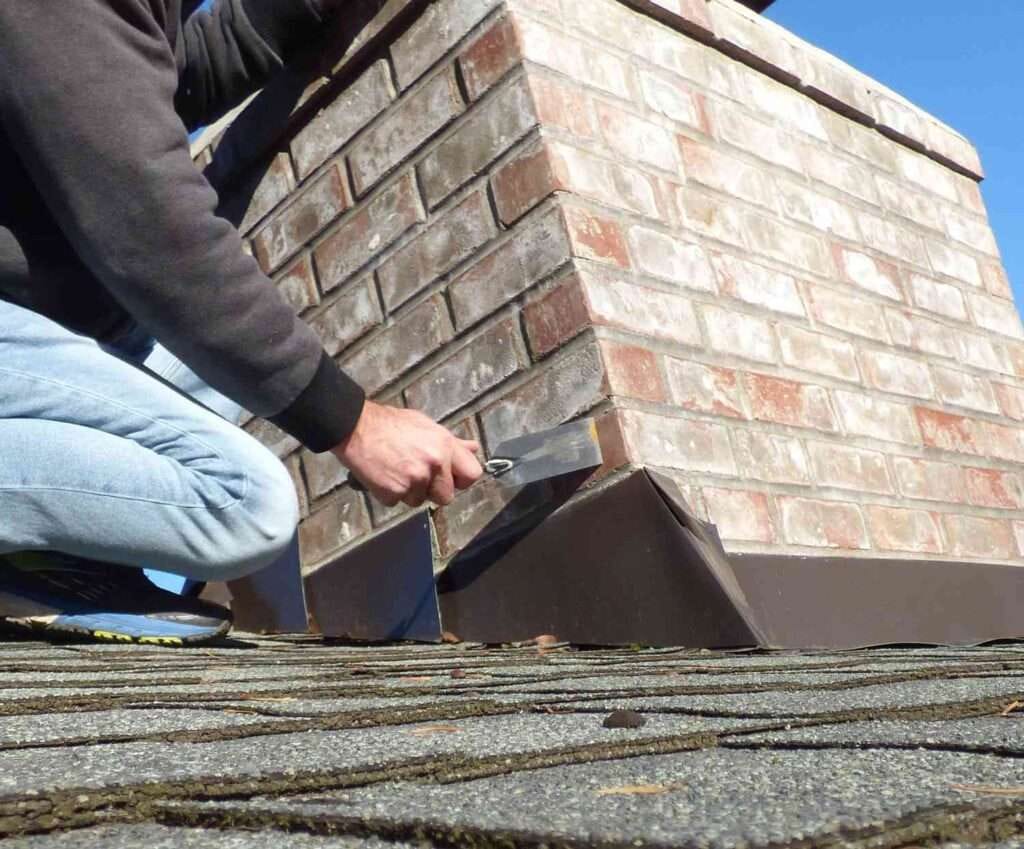
We provide complete chimney masonry repair in Dayton, OH to fix cracks, spalling, loose bricks, and leaking crowns. Our team rebuilds damaged sections, repoints joints, and installs new crowns and caps so your chimney is safe, stable, and protected from water intrusion and freeze thaw damage.
Superior Masonry Dayton provides professional chimney masonry repair throughout Dayton, OH, Ohio and the surrounding area. Our licensed, insured crew delivers safe, clean, on-time work with a free estimate before anything begins. Call (937) 519-2353 or request your free quote.
Chimney Masonry Repair for Dayton Homes
Chimney problems in Dayton show up in very specific ways: brick faces popping off after freeze-thaw cycles, crumbling mortar joints where snow sits on the roofline, and leaky crowns that let water into the flue. Superior Masonry Dayton focuses our chimney masonry repair work on what actually happens to chimneys in the Miami Valley climate, not on one-size-fits-all fixes.
When we arrive at your property, we start with a close visual inspection from the roof, not just from the ground. We check the full height of the chimney, the condition of the crown, cap, bricks, blocks, and mortar joints, and how the flashing ties into your shingles or metal roofing. We also look inside the top of the flue for signs of moisture staining, efflorescence (white mineral deposits), and loose tile or metal. This gives us a realistic picture of whether you need minor tuckpointing, partial rebuilding, or more extensive structural repair.
Because most Dayton chimneys were built decades ago, we put time into identifying your original brick type and mortar composition before starting. Matching the existing look is important, especially in older neighborhoods like Oakwood, Grafton Hill, and Historic South Park, where a poorly matched repair will stand out immediately and may affect resale value. Superior Masonry Dayton maintains relationships with local brick suppliers and salvage yards, which helps us find close matches for color, size, and texture when standard stock bricks will not blend in.
Step-by-Step Chimney Masonry Repair Process
Successful chimney masonry repair is a sequence of precise steps, not a quick patch. After scaffolding or roof protection is set up for safe access, we begin by grinding or chiseling out deteriorated mortar joints to a proper depth, typically at least twice the width of the joint. Shallow scratching does not hold new mortar, which is why some quick fixes fail within a couple of winters.
Next, we remove any loose or spalled bricks individually. On some Dayton homes, only a few bricks have to be replaced where water has penetrated. On others, usually where the chimney has been neglected, entire courses or a section above the roofline must be taken down and rebuilt. We carefully support any remaining structure as we remove damaged units so that the chimney stays plumb and square.
Fresh mortar is then mixed to suit your existing masonry. Older chimneys often used a softer lime-rich mortar, while newer construction uses stronger Portland-based mixes. Superior Masonry Dayton chooses the correct strength and color, then packs joints tightly in lifts so there are no hidden air pockets. Brick replacements are laid in a running bond or whatever pattern your chimney originally used, and joints are tooled to match the existing profile (struck, concave, or flush) so the repair does not look patched on.
Chimney Crowns, Caps, and Waterproofing Details
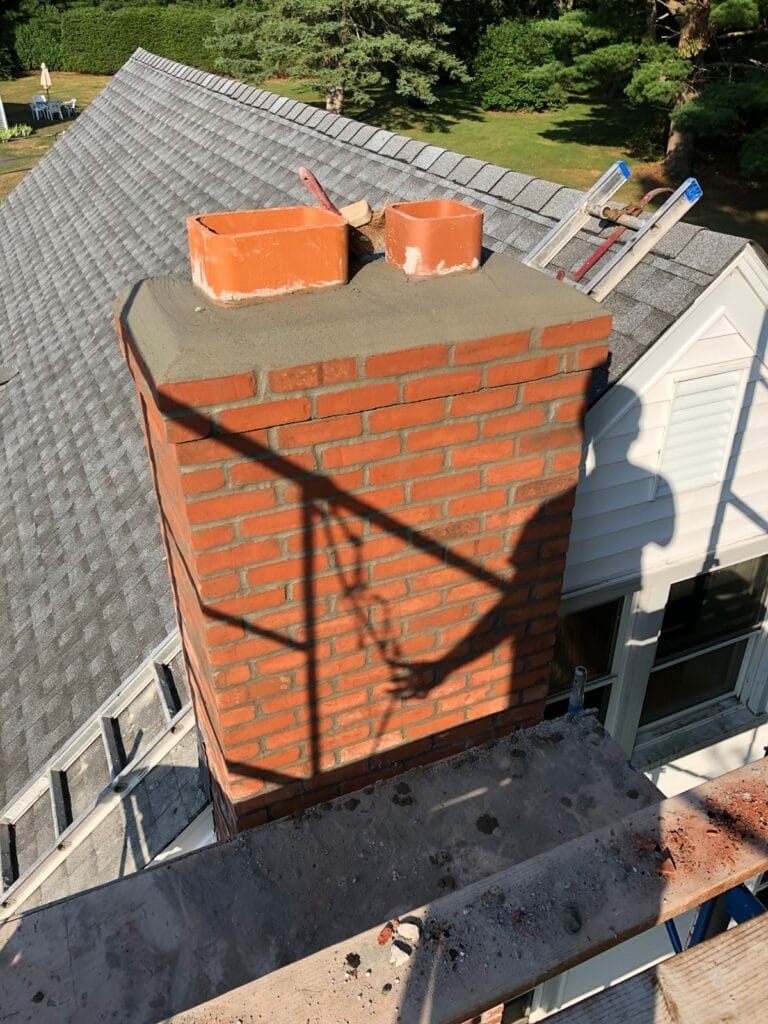
In our climate, most chimney leaks start at the top. Many Dayton chimneys were originally built with a simple mortar wash instead of a true concrete crown, and those mortar tops crack within a few seasons. As part of chimney masonry repair, Superior Masonry Dayton typically recommends removing failed crown material and forming a new reinforced concrete crown with a drip edge.
We build the new crown with a slight pitch so water sheds away from the flue, then tool a small overhang and drip groove so water falls clear of the face bricks below. For clay tile flues, we leave a proper expansion gap between the flue tile and the crown, then seal it with a flexible, high-temperature sealant. This allows the flue to expand and contract without cracking the surrounding masonry.
A properly sized metal cap is then installed to keep rain, snow, animals, and leaves out of the flue. In areas near the Great Miami River or more open farmland around Dayton, we see a lot of bird and raccoon nesting in unprotected chimneys, which can become a fire hazard. After the structural work is done and the top is sealed, we often apply a breathable masonry water repellent on the above-roof portion of the chimney. This clear treatment reduces water absorption while still allowing trapped moisture inside the wall to escape, which is vital in freeze-thaw conditions.
Common Chimney Issues We See in Dayton
Superior Masonry Dayton has repaired chimneys in older brick foursquares, post-war ranches, and newer subdivision homes, and each style tends to have its own predictable problems. Pre-1940 chimneys often lack proper liners, which leads to more condensation and masonry deterioration. We address the exterior masonry and coordinate with your chimney sweep or liner installer if interior upgrades are needed.
Many mid-century homes in Dayton used a softer brick that absorbs more moisture. These chimneys show heavy spalling on the windward side, especially where driving rain from western storms hits the brick face. We usually replace those damaged bricks with similar absorptive units then rely on better detailing and water repellents for durability, rather than substituting a hard, mismatched brick that will not behave the same.
Newer chimneys, especially those built with block cores and brick veneers, tend to crack at the shoulders or where they pass through complex rooflines. In those cases, our chimney masonry repair often includes stitching cracks with helical reinforcement, replacing rusted angle irons, and resetting or reworking the flashing. Because we work in Dayton every season, we know how winter road salt, industrial fallout in some corridors, and local storm patterns actually affect masonry so we plan repairs with those realities in mind.
What Affects Chimney Masonry Repair Cost
Chimney masonry repair pricing depends on several factors that we explain clearly before work begins. Height and access are major drivers. A tall chimney centered in a steep roof requires more staging, setup, and labor time than a low gable-end chimney that we can reach with standard ladders. Simple access on a ranch in Kettering, for example, costs less than a complex setup on a three-story home in downtown Dayton.
The extent of brick replacement versus basic tuckpointing also affects cost. If your chimney only needs mortar joints cut and repointed on one or two sides, expenses will be moderate. If sections must be fully torn down and rebuilt above the roofline due to structural cracking or tilting, materials and labor both increase. Custom brick matching, especially on historic homes, can add to the cost if we need to source specific units from specialty suppliers.
Other cost influences include whether a new crown is required, if the flue top must be modified to accept a new cap, and whether we are coordinating with other trades such as roofers or chimney sweeps. Superior Masonry Dayton provides line-item estimates so you can see exactly what each part of the project costs, and we are happy to phase work if there are safe ways to separate immediate repairs from long-term upgrades.
What Dayton Homeowners Should Ask Before Hiring
Before you hire anyone for chimney masonry repair, it is worth asking a few direct questions. Ask if the company will inspect your chimney from the roof as well as from the ground, and whether they will provide photos of existing problems and completed work. At Superior Masonry Dayton we document cracked crowns, failing mortar, and loose bricks before we start, then share after photos once repairs are finished so you can see what changed.
You should also ask what type of mortar will be used and how they plan to match your brick. A contractor who cannot explain the basic difference between older lime-rich mortar and modern Portland mixes may not be the right choice for a historic property. We discuss material choices in advance, along with whether you want a nearly invisible repair or are fine with some visible color variation if it means faster scheduling or lower cost.
Lastly, ask about local experience. Working on chimneys in coastal areas, for example, is very different from the Dayton region, where freeze-thaw cycles and heavy thunderstorms do the most damage. A local team like Superior Masonry Dayton has seen how specific neighborhoods drain, how snow loads sit on different roof shapes, and which sides of town tend to see more wind-driven rain. That history helps us design repairs that are not just structurally sound but tuned to how your chimney will actually weather over the next decade.
Our Local Process From First Call to Clean Up
When you contact Superior Masonry Dayton for chimney masonry repair, we begin with a brief phone conversation about the age of your home, any active leaks, and what you have noticed, such as falling mortar, interior staining, or bricks on the ground after storms. We then schedule an on-site visit at a time that works with your schedule, including early weekday mornings or later afternoon slots when possible.
On site, we inspect the chimney, take measurements, and discuss repair options while we are still at your property, not days later. You receive a written proposal that outlines specific tasks, such as "grind and repoint north and west faces," "rebuild top 6 courses," or "remove and pour new reinforced crown with drip edge," so there is no confusion about what is and is not included.
During the job, we protect landscaping and roofing where we set ladders and scaffolding. Masonry debris is collected and removed daily, and we keep the work area organized so neighbors and kids are safe. When the repair is complete, we do a final walk-around with you, explain what was done and how to maintain your chimney going forward, and share any photos we took from the roof. Our goal is not only a solid, watertight chimney, but also a clear understanding for you of how the repair was actually carried out.